
Okay, so check this out—
I started tracking my crypto positions with three different tools and it got messy fast. Whoa! My instinct said something felt off about the balance calculations. Initially I thought spreadsheets were fine, but then I realized that on-chain nuance and dApp approvals change the math completely, and you can’t reconcile that without richer context.
Seriously? Yes. I mean, the UI shows a number, but the number often hides pending swaps, allowance risks, and cross-chain ghost balances. Hmm… somethin’ about watching a dashboard that lies to you bugs me. On one hand a basic wallet lists tokens neatly. On the other hand real portfolio health depends on simulation, contract-level visibility, and dApp integration that actually talks to your activity history.
Here’s what bugs me about naive tracking: it treats on-chain state like a simple bank ledger. It’s not. Approvals, mempool status, accrued yield, and liquidity positions all matter. My gut said that good portfolio tracking should simulate transactions before you sign them. I tested that idea. The results surprised me.
Short story: users need more trust and fewer surprises. Long story: you need a wallet that integrates with dApps in a way that preserves privacy yet surfaces risk, simulates gas + slippage, and tracks complex positions across chains and protocols.
How portfolio tracking breaks (and how to fix it)
Check this out—tracking breaks in three predictable ways. First, visibility gaps: your wallet shows ERC-20 balances but not staked or lent assets tucked inside protocol contracts, and that creates phantom liquidity. Second, action blindness: you approve a dApp and later forget which allowances persist, leaving you exposed. Third, simulation absence: you hit send on a multi-step trade and only after the fact do you realize how fees and slippage reshaped the outcome.
Okay, so you can use explorers and ledger tools. True. But those are fragmented. They’re also manual and slow. A better approach is native dApp integration combined with pre-execution simulation that evaluates each step, including estimated slippage, gas strategies, and potential reverts.
I’ll be honest—I favor wallets that give me a rehearsal, not just a receipt. My workflow now is: preview transaction, review simulated state changes, confirm permission scopes, then sign. That pattern reduces screw-ups. It also forces creators to think about UX that respects human error, which is very very important.
There are tradeoffs. Deep integration requires permissions and sometimes on-device heuristics that could be annoying or invasive. Initially I worried about over-automation, but then I realized thoughtful defaults and clear prompts solve most of that. Actually, wait—let me rephrase that: you need conservative defaults and an easy opt-in for more aggressive automation, because not every user wants full autopilot.
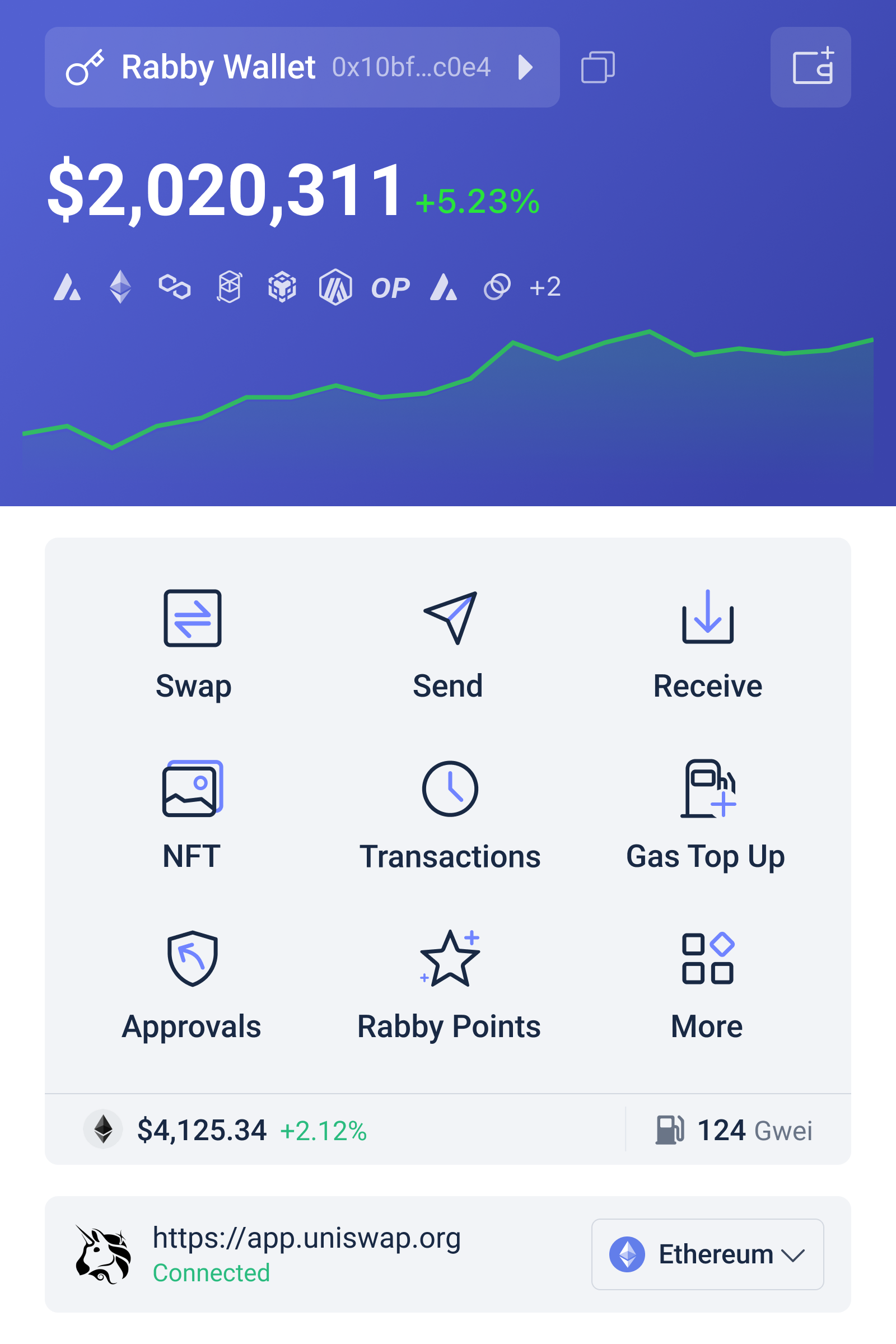
So where does a wallet like the rabby wallet fit? In practice, it bridges the gap between passive balance lists and active, dApp-aware tooling. It can simulate transactions and flag risky approvals, meaning you can see how a trade will change your effective holdings before committing. That matters when you’re juggling LP positions, leveraged loans, and yield strategies across chains.
On the technical side, integration with dApps should be two-way. The wallet should intercept and simulate contract interactions locally, but also pull contextual metadata from the dApp when available, like intent and expected outcomes, so the user isn’t staring at raw calldata wondering what to do. That’s nuance. Most wallets skip it.
Another practical example: suppose you hold ETH, staked ETH in a liquid staking protocol, and some LP tokens on a DEX—each of those has different permissions, redemption windows, and fee structures. A dumb tracker sums them. A smart wallet models them: it shows unlocked vs locked portions, estimates withdrawal times, and simulates the effective portfolio if you execute a withdrawal, swap, or provide more liquidity—all before you sign.
On top of that, UX matters. People respond to stories, not charts. So show expected outcomes with plain language and optional deep dives. (Oh, and by the way…) tooltips that say “this interaction will increase your allowance to 1000 tokens” should link to a one-click revoke flow. Little frictions make big differences.
Something else—privacy. Simulating locally is better than sending every pending action to a server. My preference is client-side simulation with fallback checks. I’m biased, but I’d rather my wallet run the heavy lifting on-device than phone home about every interaction. That said, a hybrid model that fetches non-sensitive metadata can be useful for richer UI.
And yes, cross-chain is a beast. Bridge primitives hide failure modes, and finality semantics vary. Smart tracking accounts for those differences and surfaces them as clear warnings: “This bridge has a longer withdrawal time” or “This chain’s gas model might spike.” Those cues change behavior. They prevent regret.
FAQ
What should I look for in a wallet for portfolio tracking?
Look for transaction simulation, approval management, and native dApp integration that surfaces protocol-specific states like staking or LP positions. Also prefer wallets that prioritize on-device simulation for privacy and that clearly explain outcomes in human terms.
Will deeper integration make wallets less secure?
Not necessarily. Security depends on design choices. The best implementations use least-privilege defaults, clear permission prompts, and local simulation so users can verify actions before signing. Still, keep hardware wallets for large holdings and review allowances regularly.